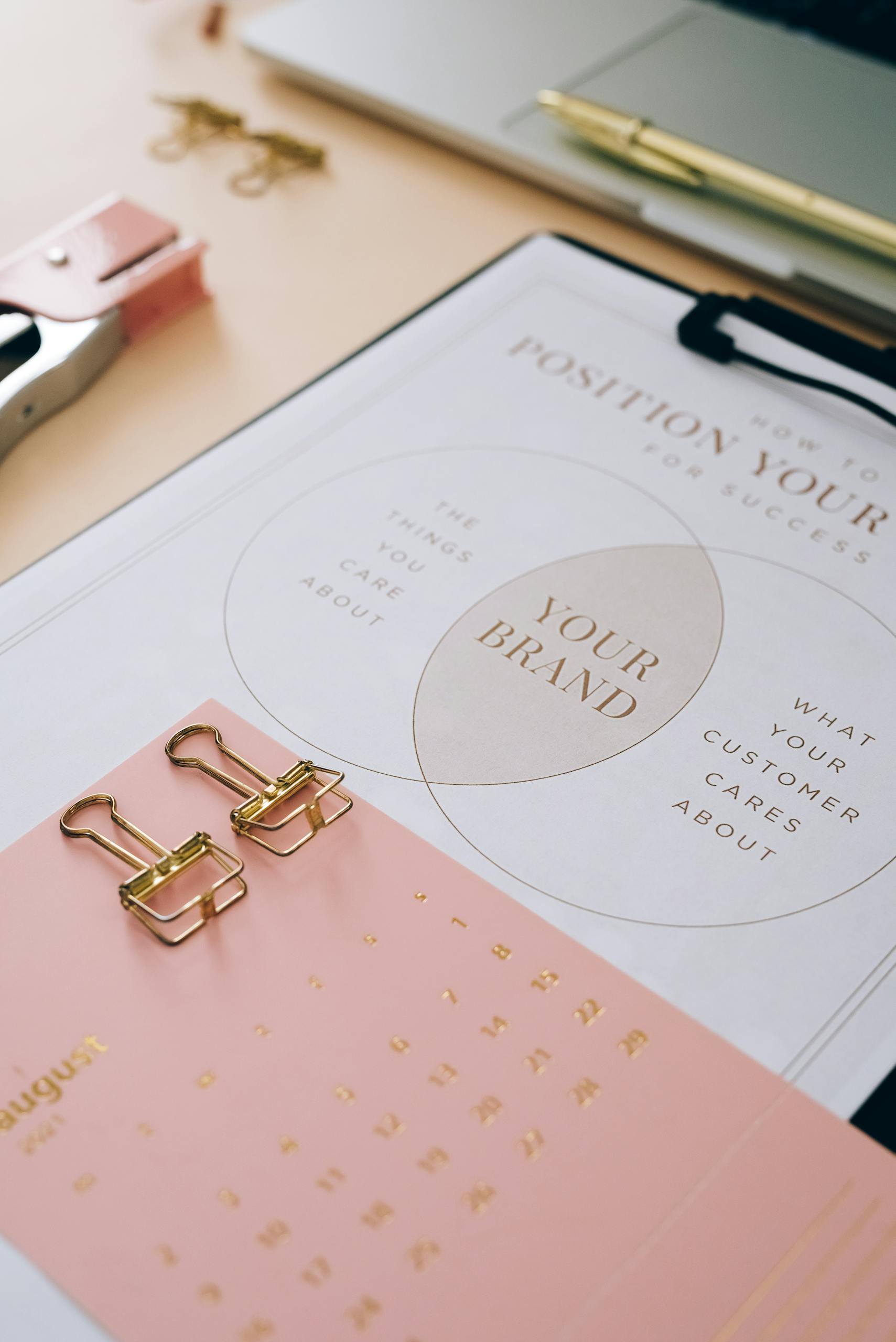
How to Rename a Brand: A Complete Guide from Strategy to Execution
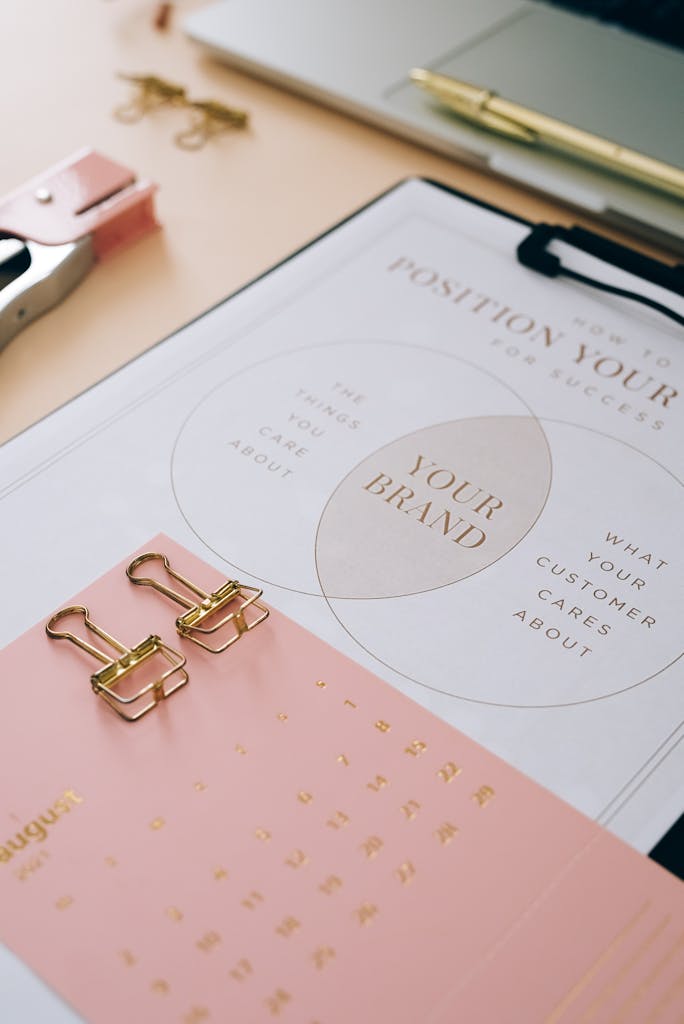
As a brand grows, evolves, or enters new markets, the original name may no longer reflect its identity. Whether the old name feels outdated, too generic, difficult to pronounce, or too limited for expansion, brand renaming (or re-naming) becomes a strategic move—one that influences perception, trust, and long-term positioning.
Renaming a brand is much more than “picking a new name.” It requires research, strategy, creativity, and validation. Below is a clear, professional framework you can follow to rename a brand successfully.
1. Why Do Brands Need to Change Their Names?
1. Brand Positioning Has Evolved
A company might shift from OEM to its own brand, or expand from a single product to multiple categories.
The old name may no longer represent what the company stands for today.
2. The Name Lacks Distinctiveness
Generic names (e.g., Star Tech, Best Chemical) fail to stand out, are hard to rank on Google, and often suffer from search confusion.
3. Expansion into International Markets
A name may be difficult to pronounce, spell, or may carry negative meaning in other languages.
Renaming helps the brand communicate clearly across cultures.
2. Core Principles of Effective Naming
1. Simple to Read, Easy to Remember, Easy to Spell
A strong brand name should be understood within three seconds and spelled correctly after one hearing.
2. Pleasant Sound & Rhythm
Names with smooth phonetics and clear syllables are easier to recall and more suitable for marketing campaigns.
3. Clear Meaning or Brand Story
A great name is not just “nice”; it reflects value or essence:
- Speed (Swift)
- Innovation (Nova)
- Protection (Shield)
- Technology (Nexon, Tronox)
4. Scalable for Future Growth
Avoid overly narrow functional names.
A brand should be future-proof—capable of stretching across product lines.
3. A Step-by-Step Method to Rename Your Brand
Step 1: Reconfirm Your Brand Positioning
Answer these essential questions:
- Who are we?
- What problem do we solve?
- What do we want to become in the future?
Names must be aligned with identity and vision.
Step 2: Define Naming Territories
Establish 2–3 creative directions before generating ideas. Examples:
- Abstract: Google, Sony
- Conceptual / Imagery: Apple, Nike
- Compound / Hybrid Words: Microsoft
- Nature-Inspired: Amazon
- Tech / Futuristic: Nexon, Tronox, Nova
- Founder-Based: Ferrari, Chanel
This prevents brainstorming from becoming too scattered.
Step 3: Brainstorm 30–50 Name Ideas
Some practical techniques:
- Combine meaningful word roots (Tech, Nex, Nova, Form, Max…)
- Explore Latin or Greek origins
- Merge two words to create a new concept
- Extract ideas from product attributes (durability, speed, ecology, purity, performance)
At this stage, volume matters more than perfection.
Step 4: Filter Using the “Triple Check Method”
- Phonetic Check – Is it easy to pronounce?
- Cultural Check – Does it have negative meaning in other languages?
- Google Check – Is it unique and SEO-friendly?
Reduce the list to 5–8 refined candidates.
Step 5: Trademark & Domain Availability
A critical but often ignored step.
Check:
- Trademark registrability
- Domain availability
- Similarity to competitors (to avoid legal risks)
Step 6: Test with Visual Identity (VI)
Some names only come alive when paired with design.
Test the name with:
- Different typography
- Logo concepts
- Packaging, website headers, business cards
- Social media avatars
A good name visually “feels right.”
4. Common Mistakes to Avoid When Renaming
- Naming based purely on personal preference (without strategy)
- Creating names that are too long
- Difficult spelling or pronunciation
- A mismatch between name style and industry positioning
- Skipping trademark and domain checks
- Excessive creativity that sacrifices clarity or professionalism
5. How to Know If You Have a Great Name? (3 Key Tests)
- Can you explain its meaning or story in one sentence?
- Do new customers react confidently instead of confused?
- Will the name still make sense 5–10 years from now?
If the answer is “yes” to these, you’ve likely chosen a strong name.
6. Final Thoughts: Renaming Is a Chance to Rebuild Value
Renaming is not a risk; it is an opportunity.
A name is not just a label—it is the foundation of brand memory, storytelling, and long-term trust.
A successful brand name doesn’t just sound good; it captures the essence of who you are and what you want to become.
Done right, renaming can refresh your identity, strengthen your strategy, and open opportunities your old name could never reach.